

Technology Title
AI-Enhanced Protein Folding Simulator
AI-Enhanced Protein Folding Simulator
Project Title
Marine Microbial Biofuel Production System
Marine Microbial Biofuel Production System
Category
Bioscience Medical
Bioscience Medical
Authors
annu@yopmail.com
annu@yopmail.com
Short Description
A biotechnology platform that utilizes marine microorganisms to produce sustainable biofuels from ocean biomass.
A biotechnology platform that utilizes marine microorganisms to produce sustainable biofuels from ocean biomass.
Long Description
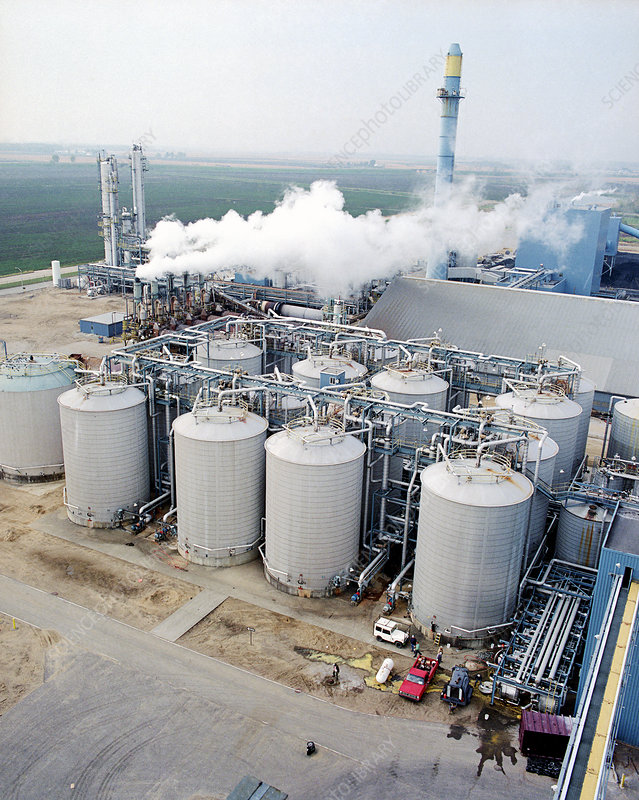
The biotechnology platform leverages cutting-edge microbiology, genetic engineering, and biochemical engineering to harness the potential of marine microorganisms for sustainable biofuel production. The process begins with the isolation and characterization of marine microorganisms, such as bacteria, archaea, and microalgae, from diverse ocean environments. These microorganisms are screened for their ability to produce high yields of specific biofuels, such as biodiesel, bioethanol, or biogas, from a variety of ocean biomass feedstocks, including seaweed, seagrass, and marine agricultural waste.The selected microorganisms are then genetically engineered to enhance their biofuel production capabilities, improve their tolerance to inhibitors and stress, and increase their growth rates. This is achieved through advanced genome editing techniques, such as CRISPR-Cas9, and synthetic biology approaches. The engineered microorganisms are then cultivated in large-scale bioreactors, where they are fed a diet of ocean biomass-derived sugars, lipids, or other organic compounds.The biofuels produced by the microorganisms are then harvested, processed, and refined to meet specific fuel standards. For example, biodiesel produced from marine microalgae can be transesterified to produce a high-quality, low-carbon diesel fuel. Similarly, bioethanol produced from seaweed can be distilled and purified to produce a high-purity ethanol fuel. The platform also incorporates advanced downstream processing technologies, such as membrane separation, chromatography, and distillation, to optimize biofuel recovery and purity.The biotechnology platform also integrates advanced data analytics, artificial intelligence, and machine learning algorithms to optimize microorganism performance, bioreactor operation, and biofuel production. This enables real-time monitoring and control of the production process, predictive maintenance, and optimization of key process parameters, such as temperature, pH, and nutrient levels. The platform's data management system also tracks key performance indicators, such as biofuel yield, productivity, and carbon footprint, to ensure that the production process is economically viable, environmentally sustainable, and socially responsible.
The biotechnology platform leverages cutting-edge microbiology, genetic engineering, and biochemical engineering to harness the potential of marine microorganisms for sustainable biofuel production. The process begins with the isolation and characterization of marine microorganisms, such as bacteria, archaea, and microalgae, from diverse ocean environments. These microorganisms are screened for their ability to produce high yields of specific biofuels, such as biodiesel, bioethanol, or biogas, from a variety of ocean biomass feedstocks, including seaweed, seagrass, and marine agricultural waste.The selected microorganisms are then genetically engineered to enhance their biofuel production capabilities, improve their tolerance to inhibitors and stress, and increase their growth rates. This is achieved through advanced genome editing techniques, such as CRISPR-Cas9, and synthetic biology approaches. The engineered microorganisms are then cultivated in large-scale bioreactors, where they are fed a diet of ocean biomass-derived sugars, lipids, or other organic compounds.The biofuels produced by the microorganisms are then harvested, processed, and refined to meet specific fuel standards. For example, biodiesel produced from marine microalgae can be transesterified to produce a high-quality, low-carbon diesel fuel. Similarly, bioethanol produced from seaweed can be distilled and purified to produce a high-purity ethanol fuel. The platform also incorporates advanced downstream processing technologies, such as membrane separation, chromatography, and distillation, to optimize biofuel recovery and purity.The biotechnology platform also integrates advanced data analytics, artificial intelligence, and machine learning algorithms to optimize microorganism performance, bioreactor operation, and biofuel production. This enables real-time monitoring and control of the production process, predictive maintenance, and optimization of key process parameters, such as temperature, pH, and nutrient levels. The platform's data management system also tracks key performance indicators, such as biofuel yield, productivity, and carbon footprint, to ensure that the production process is economically viable, environmentally sustainable, and socially responsible.
Potential Applications
Marine biofuel production for ships and aircraft, offering a low-carbon alternative to traditional fossil fuels and reducing greenhouse gas emissions in the transportation sector.
Development of sustainable bioproducts such as biochemicals, bioplastics, and lubricants from ocean biomass, providing eco-friendly substitutes for petroleum-based products.
Carbon sequestration and utilization through the conversion of CO2 into valuable chemicals and fuels using marine microorganisms, contributing to climate change mitigation efforts.
Bioremediation of ocean pollutants and waste management through the application of marine microorganisms to degrade organic pollutants and toxins, promoting a healthier marine ecosystem.
Production of nutritional supplements and pharmaceuticals from marine microorganisms, leveraging their unique metabolic capabilities to synthesize high-value compounds with potential health benefits.
Enhanced oil recovery and offshore oilfield services using marine microorganisms to improve oil extraction efficiency and reduce environmental impact.
Support for blue economy initiatives by providing sustainable energy solutions, promoting eco-friendly practices, and fostering economic growth in coastal communities.
Research and development of novel enzymes, bioactive compounds, and other high-value products from marine microorganisms, driving innovation in various industries.
Marine biofuel production for ships and aircraft, offering a low-carbon alternative to traditional fossil fuels and reducing greenhouse gas emissions in the transportation sector.
Development of sustainable bioproducts such as biochemicals, bioplastics, and lubricants from ocean biomass, providing eco-friendly substitutes for petroleum-based products.
Carbon sequestration and utilization through the conversion of CO2 into valuable chemicals and fuels using marine microorganisms, contributing to climate change mitigation efforts.
Bioremediation of ocean pollutants and waste management through the application of marine microorganisms to degrade organic pollutants and toxins, promoting a healthier marine ecosystem.
Production of nutritional supplements and pharmaceuticals from marine microorganisms, leveraging their unique metabolic capabilities to synthesize high-value compounds with potential health benefits.
Enhanced oil recovery and offshore oilfield services using marine microorganisms to improve oil extraction efficiency and reduce environmental impact.
Support for blue economy initiatives by providing sustainable energy solutions, promoting eco-friendly practices, and fostering economic growth in coastal communities.
Research and development of novel enzymes, bioactive compounds, and other high-value products from marine microorganisms, driving innovation in various industries.
Open Questions
1. What are the key challenges in scaling up marine microorganism cultivation for biofuel production, and how can they be addressed through bioreactor design and operation?
2. How can advanced genome editing techniques, such as CRISPR-Cas9, be applied to enhance the biofuel production capabilities of marine microorganisms, and what are the potential risks and limitations?
3. What are the most promising ocean biomass feedstocks for biofuel production, and how can their conversion into biofuels be optimized through microorganism selection and engineering?
4. How can data analytics, artificial intelligence, and machine learning be integrated into the biotechnology platform to optimize biofuel production, and what are the potential benefits and challenges?
5. What are the environmental and social implications of large-scale marine biofuel production, and how can they be mitigated through sustainable practices and responsible management?
6. How can the biotechnology platform be adapted for the production of other high-value products, such as biochemicals, bioplastics, and pharmaceuticals, from marine microorganisms?
7. What are the technical and economic challenges in downstream processing of biofuels from marine microorganisms, and how can they be addressed through advanced technologies and process optimization?
8. How can the platform's carbon footprint be minimized, and what are the potential opportunities for carbon sequestration and utilization through the conversion of CO2 into valuable chemicals and fuels?
9. What are the regulatory and policy frameworks that need to be developed to support the commercialization of marine biofuels, and how can they be addressed through stakeholder engagement and collaboration?
10. How can the biotechnology platform be integrated into existing blue economy initiatives to provide sustainable energy solutions, promote eco-friendly practices, and foster economic growth in coastal communities?
1. What are the key challenges in scaling up marine microorganism cultivation for biofuel production, and how can they be addressed through bioreactor design and operation?
2. How can advanced genome editing techniques, such as CRISPR-Cas9, be applied to enhance the biofuel production capabilities of marine microorganisms, and what are the potential risks and limitations?
3. What are the most promising ocean biomass feedstocks for biofuel production, and how can their conversion into biofuels be optimized through microorganism selection and engineering?
4. How can data analytics, artificial intelligence, and machine learning be integrated into the biotechnology platform to optimize biofuel production, and what are the potential benefits and challenges?
5. What are the environmental and social implications of large-scale marine biofuel production, and how can they be mitigated through sustainable practices and responsible management?
6. How can the biotechnology platform be adapted for the production of other high-value products, such as biochemicals, bioplastics, and pharmaceuticals, from marine microorganisms?
7. What are the technical and economic challenges in downstream processing of biofuels from marine microorganisms, and how can they be addressed through advanced technologies and process optimization?
8. How can the platform's carbon footprint be minimized, and what are the potential opportunities for carbon sequestration and utilization through the conversion of CO2 into valuable chemicals and fuels?
9. What are the regulatory and policy frameworks that need to be developed to support the commercialization of marine biofuels, and how can they be addressed through stakeholder engagement and collaboration?
10. How can the biotechnology platform be integrated into existing blue economy initiatives to provide sustainable energy solutions, promote eco-friendly practices, and foster economic growth in coastal communities?
Image
Tags
Second Choice, Data
Second Choice, Data
Email
annu@yopmail.com
annu@yopmail.com